What to Do When You Smell a Dead Animal in Your Melbourne Home
That sweet, rotting smell in your Melbourne home usually means a dead possum, rat or bird in the roof or wall. Here's how to find it, fix it and clear the odour fast.
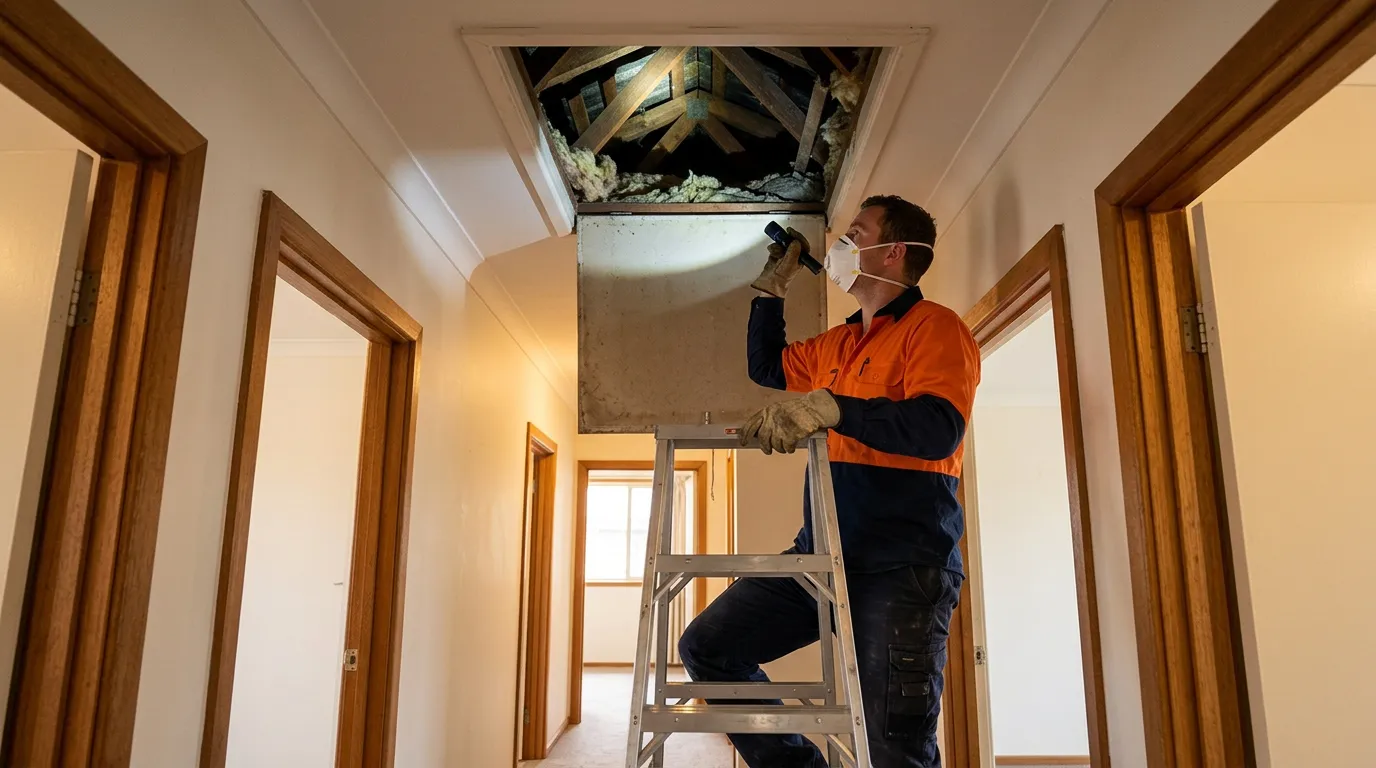
If you smell a dead animal in your Melbourne home, the fastest fix is to find the carcass, remove it whole, and treat the cavity and surrounding air with an odour neutraliser rather than an air freshener. That smell is decomposition gas - hydrogen sulphide, ammonia and mercaptans - and it will keep returning until the source is physically gone. Most of the time the animal is a possum, rat or bird that has died in the roof void or a wall cavity, and in a Melbourne home it can take anywhere from 10 days to 8 weeks to stop smelling on its own. This guide walks you through finding it, removing it safely, and clearing the odour for good.
What to Do First When You Smell a Dead Animal in Your Melbourne Home
The first thing to do is locate the general area of the smell and open windows on the opposite side of the house to create cross-flow without pulling the odour into living rooms. Dead animal smell in house Melbourne cases almost always concentrate in one room, one hallway or one ceiling corner - that concentration is your best clue.
Work through this in order:
- Close interior doors to the affected room so the smell doesn't spread through the ducted heating or evaporative cooling system.
- Turn off the heating or cooling for now. Melbourne homes with ducted systems will pull odour through every vent within an hour.
- Note the time the smell started. A smell that appears suddenly on a hot day usually means a carcass that's been there a few days and just hit peak decomposition.
- Check the obvious spots first - under the house, the roof space, the garage, behind the fridge, and around any external vents.
Don't spray air freshener yet. It masks the smell for a few hours and makes it much harder to track the source. If the smell is overwhelming and you can't find it in the first hour, that's when most Melbourne homeowners send us their details for dead animal removal Melbourne rather than keep hunting.
How to Find a Dead Animal in Your House in Melbourne
Finding a dead animal in a Melbourne house comes down to following the smell gradient - the odour gets stronger the closer you get, and it will be sharpest within about 30cm of the carcass. Your nose is more accurate than you think.
Here's the method our technicians use:
- Start low, work up. Decomposition gas is heavier than air, so it pools. Smell along skirting boards, floorboards and the base of walls first.
- Check the roof space if the smell is strongest at ceiling height. Possums and rats almost always die in the roof void.
- Use a torch and look for flies. Blowflies find a carcass within 24 hours. A cluster of flies on a wall or ceiling is a strong indicator of a body behind it.
- Look for staining. A dead animal in a wall often leaves a faint brown stain on plasterboard or paint within 5-7 days as fluids seep through.
- Listen for buzzing. In a quiet room, you can often hear fly activity inside a wall cavity.
If the smell is strongest in a wall but you can't pinpoint which cavity, don't start cutting plasterboard at random. A thermal camera or a small inspection hole in the right spot saves hundreds of dollars in repairs. If you're in an older inner-north suburb with solid brick walls and no cavity access, this is where Brunswick dead animal removal jobs get tricky - the carcass is often wedged between a brick veneer and the internal plaster, and it needs a proper inspection rather than guesswork.
How Long Does Dead Animal Smell Last in a Melbourne Home?
Dead animal smell in a Melbourne home typically lasts 10 days to 8 weeks if the carcass is left in place, with the worst period between days 3 and 14. After that the body dries out and the smell fades - but it doesn't disappear completely, and in humid weather it can return for months.
Several factors change the timeline:
- Size of the animal. A dead rat in a wall smells for roughly 1-2 weeks. A dead possum in a roof can smell for 6-8 weeks.
- Temperature. Melbourne's summer (December to February) speeds decomposition up dramatically. A carcass that would take 3 weeks to dry out in winter can be at peak smell in 4 days in January.
- Ventilation. A roof cavity with whirlybirds and eaves vents clears faster than a sealed wall cavity.
- Moisture. A leaking roof or a bathroom wall cavity keeps the carcass wet and the smell active far longer.
Waiting it out is a bad strategy. The odour soaks into insulation batts, plasterboard and timber framing, and by the time the body is gone the smell has often transferred to the building materials themselves.
Dead Animal in the Roof or Wall: Why It's Different
A dead animal in a roof or wall cavity is a different job to one on open ground because you can't just pick it up and bin it: you need safe access, and you need to treat the surfaces the carcass has touched. Dead animal in roof smell Melbourne cases are the most common enquiry we get, followed closely by dead animal in wall smell Melbourne.
Roof cavities in Melbourne homes are usually accessible through a manhole, but the space is tight, insulated, and often full of old electrical wiring. Wall cavities are worse - there's no access at all without cutting a hole, and the carcass is often sitting on a noggin or against a stud where it's hard to reach.
Once the animal is removed, the surrounding area needs to be treated. Decomposition fluids carry bacteria and leave a residue that keeps producing odour for weeks. Our dead animal in roof removal Melbourne service includes extraction, cavity treatment and a follow-up odour check, because a carcass removed but not treated will still smell for another fortnight.
How to Get Rid of Dead Animal Smell in a Melbourne House
Getting rid of dead animal smell in a Melbourne house requires three things in order: remove the source, treat the surfaces, and clear the air. Skip any one of those and the smell comes back.
Step 1: Remove the carcass
Wear disposable gloves and a P2 mask. Double-bag the animal in heavy-duty plastic and place it in an outdoor bin with a sealed lid. Don't bury it in the garden - Melbourne's clay soils and possum activity mean it will be dug up within a night or two.
Step 2: Treat the cavity
Spray the area with an enzyme-based odour neutraliser, not bleach. Bleach kills bacteria but doesn't break down the sulphur compounds that cause the smell. Enzyme treatments do. For a wall cavity, this means drilling a small access hole and fogging the space.
Step 3: Clear the air
Run an ozone generator or a hydroxyl generator in the affected room for 4-8 hours with the room sealed and nobody inside. This is the step most homeowners skip, and it's the one that makes the difference between a smell that's gone and a smell that lingers at 10% for another month.
If the odour has soaked into insulation batts or plasterboard, replacement is often cheaper than repeated treatment. Our dead animal smell removal Melbourne team handles the whole sequence - extraction, cavity treatment and air clearance - in a single visit for most jobs.
Common Mistakes to Avoid
Most failed DIY attempts come down to one of these five mistakes:
- Using air freshener or candles. They mask the smell, confuse your ability to locate the source, and do nothing about the bacteria.
- Cutting into the wrong wall. Plasterboard repairs cost $150-$400 per section in Melbourne. Guessing gets expensive fast.
- Leaving the carcass in the roof and hoping. A possum in a roof cavity can soak the surrounding insulation and ceiling plaster, and the smell transfers to the room below.
- Bleaching the area. Bleach reacts with ammonia in decomposition fluids and can make the smell worse in the short term.
- Not sealing the entry point. If a possum or rat died in your roof, others will follow the same path in. Entry points need to be sealed after removal.
Can a Dead Animal in the Wall Make You Sick in Melbourne?
A dead animal in a wall can make you sick in Melbourne, though serious illness is uncommon - the main risks are respiratory irritation, headaches and nausea from prolonged exposure to decomposition gases, and bacterial contamination if you handle the carcass without protection. The bigger risk is secondary: flies and blowflies that feed on the carcass can spread bacteria to food surfaces, and a carcass near a water tank or air intake can contaminate the air you breathe.
People with asthma, allergies or young children in the house should treat a dead animal smell as a priority rather than a wait-and-see. If the smell has been present for more than a week and anyone in the house is reporting headaches, irritated eyes or a persistent cough, get it removed and the cavity treated.
When to Get a Professional In
Get a professional in when you can smell the animal but can't find it within an hour, when it's in a wall or roof cavity you can't safely access, or when the smell has been present for more than a week. Those three situations cover about 80% of the jobs we do across Melbourne.
Our team at Dead Animal Removal Melbourne handles possums, rats, birds and other animals in roof voids, wall cavities, subfloors and commercial premises. We locate the carcass, remove it, treat the cavity, and clear the air - and we seal the entry point so you don't get a repeat in three months. If you're in the inner east and dealing with an older terrace with no roof access, our Richmond dead animal removal service is set up for exactly that kind of building.
Frequently Asked Questions
What should I do if I smell a dead animal in my Melbourne home?
Close doors to the affected room, turn off ducted heating or cooling, and locate the source by following the smell gradient. Don't use air freshener. If you can't find it within an hour, send your details to a removal service through their form: the longer it sits, the more the odour soaks into plasterboard and insulation.
How do I find a dead animal in my house in Melbourne?
Start low and work up, since decomposition gas pools near the floor. Check the roof space, under the house and behind appliances. Look for blowflies, faint brown staining on walls, and listen for buzzing inside cavities. A torch and a thermal camera speed this up considerably.
How long does dead animal smell last in a Melbourne home?
Between 10 days and 8 weeks if left in place, with the worst period between days 3 and 14. A rat in a wall is usually 1-2 weeks; a possum in a roof can be 6-8 weeks, especially through a Melbourne summer when heat accelerates decomposition.
Who handles dead animal smell in Melbourne?
Choose a dedicated dead animal removal service rather than a general pest controller. Removal, cavity treatment and odour clearance are three separate steps, and a service that only removes the carcass will leave you with a smell that lingers for weeks.
Can a dead animal in the wall make you sick in Melbourne?
Serious illness is uncommon, but prolonged exposure to decomposition gases can cause headaches, nausea and respiratory irritation. Flies feeding on the carcass can spread bacteria to food surfaces. If anyone in the house has asthma or young children are present, treat it as a priority.
Get Help with Dead Animal Removal in Melbourne
If the smell is still there after a day of hunting, or you've found the animal but can't safely reach it, we can have a technician at your door today. We remove the carcass, treat the cavity and clear the odour - usually in a single visit.
Send your details through the form on this page and we'll get it sorted.